Tampa Water Damage Restoration for Historic Bungalows

Summer Storms and Older Tampa Bungalows
Seminole Heights and Hyde Park hold many early bungalows, with deep porches, wood floors, and window frames shaped by decades of Gulf humidity. Many of these houses sit on piers, so a crawl space lies under the living floor. Through the warm months, mornings on the Florida peninsula heat up and clouds build by midafternoon. Storms drop heavy rain in a short burst, then move on, leaving wet roofs, full gutters, and damp air into the evening.
One cloudburst seldom harms a sound house. Repeated soaking is another matter. Rain works into gaps at aging roofs, tired flashing, and frames that no longer sit square. Indoors, older supply lines and drains can weep long before a pipe lets go. Homeowners who catch the early signs can stop a slow leak before it reaches plaster, subfloor, or joists.
Roofs, Flashing, and Window Frames
These roofs have already served a long life. Asphalt shingles curl and shed granules. Tile and metal last longer, yet flashing wears on its own schedule. The metal at chimneys, valleys, vents, and dormers is a frequent weak point. Once sealant cracks or an edge lifts, rain runs under the covering instead of off it.
After a hard afternoon storm, owners can read a few clues without leaving the ground:
- Stains on a ceiling or wall that darken in the rain and lighten as they dry.
- Granules in the gutters or along splash blocks.
- Rusty or lifted flashing at chimneys and roof edges.
- Peeling paint on fascia boards and porch ceilings.
Wood frames swell when the air is humid and shrink when it dries. That movement opens thin gaps at the sill and the meeting rails. Rain driven by storm winds can pass those gaps even when the glass looks fine. Failed glazing putty, or a sill that stays dark after sunshine returns, deserves attention. Intact exterior paint, clear sill tracks, and sound glazing are realistic owner tasks. Soft wood, or plaster that has gotten wet inside, calls for a carpenter familiar with historic trim.
Gutters on Shallow Eaves
Bungalow eaves are often shallow. Gutters filled with oak leaves, Spanish moss, or shingle grit spill water onto siding and soil. On a raised house that splash wets skirt boards and the ground beside piers. Cleaning before the summer pattern sets in, and again after heavy leaf drop, keeps more rain in the downspouts. The National Trust for Historic Preservation also lists simple upkeep projects for historic homes, including keeping gutters and downspouts clear so water stays off the walls and foundation.
Galvanized Lines and Cast Iron Drains
Older bungalows were commonly fitted with galvanized steel supply pipe and cast iron drains, and some of those lines remain in service. Galvanized pipe corrodes from the inside. The passage narrows, pressure drops at a fixture, and pinholes appear on horizontal runs. Cast iron may look solid while the wall thins and splits at joints. A seep under a sink might never flood a room, yet it can keep a cabinet, a subfloor, or a joist damp for weeks.
During ordinary use, residents can watch for these signs:
- Rust tinted water that clears after the tap runs, most noticeably on a line that sat overnight.
- Weak pressure at one fixture while others stay steady.
- Damp rings inside a cabinet, or a musty smell behind a shut door.
- Flaking or stains on exposed cast iron, especially at hubs and cleanouts.
Turn supply stops at toilets and sinks about once a year so they still close when needed. A drip at a stop is simpler to catch than a valve that fails mid repair. Several pinholes, or cast iron that sags and cracks, point toward replacement rather than another patch. A repair on thin pipe often shifts the leak to the next weak spot.
Wood Floors Over Humid Air
Open crawl spaces suited wood houses in a hot climate because air could move beneath the floor. The same opening collects humid air after a storm. A roof leak, a plumbing weep, or splash from a clogged gutter adds liquid water, and joists can stay wet long after the rain stops. Where materials remain damp in warm air, mold can grow. Darkened wood and a sour smell are the usual warnings.
Leave foundation vents clear unless a qualified contractor has set a different plan for that house. Aim downspouts away from piers, and keep storage off the skirt. Several times each summer, a flashlight can show dark joists, standing water, fallen insulation, or a wet pipe. A sharp musty smell, stronger after rain, means another look.
Catching a Slow Leak
Slow leaks show themselves in small ways. Paint bubbles on an exterior wall. A ceiling mark grows a faint ring. Floorboards cup beside a bathroom. A heater pan holds a thin sheet of water. The house meter can add a clue: when every fixture is off and any irrigation is idle, a moving dial means water is escaping somewhere in the system. Those clues tell residents to trace upward to the roof or backward along the pipe.
Ventilation After the Downpour
Bath and kitchen fans should exhaust outdoors, not into the attic. Air conditioning removes moisture while it cools, if it runs long enough and the filter stays clean. Closing windows at the first rain keeps wind blown water outside. Soffit vents need to stay open, and insulation should not cover them.
When Professionals Should Dry the House
Owners can clear a gutter, seal a sill, and tighten a fitting. Standing water, wet insulation, sagging plaster, and soaked joists call for controlled drying. A box fan does not pull moisture out of wood and plaster. Humid summer air slows drying in closets and under floors. When a stain returns with each storm, or a musty odor stays, specialists should meter the materials and dry them. Residents can find that help through waterdamagerestorationtampafl.org, then add a roofer or plumber so the source is fixed first.
Burst Pipes and Water Damage Restoration in Fort Worth
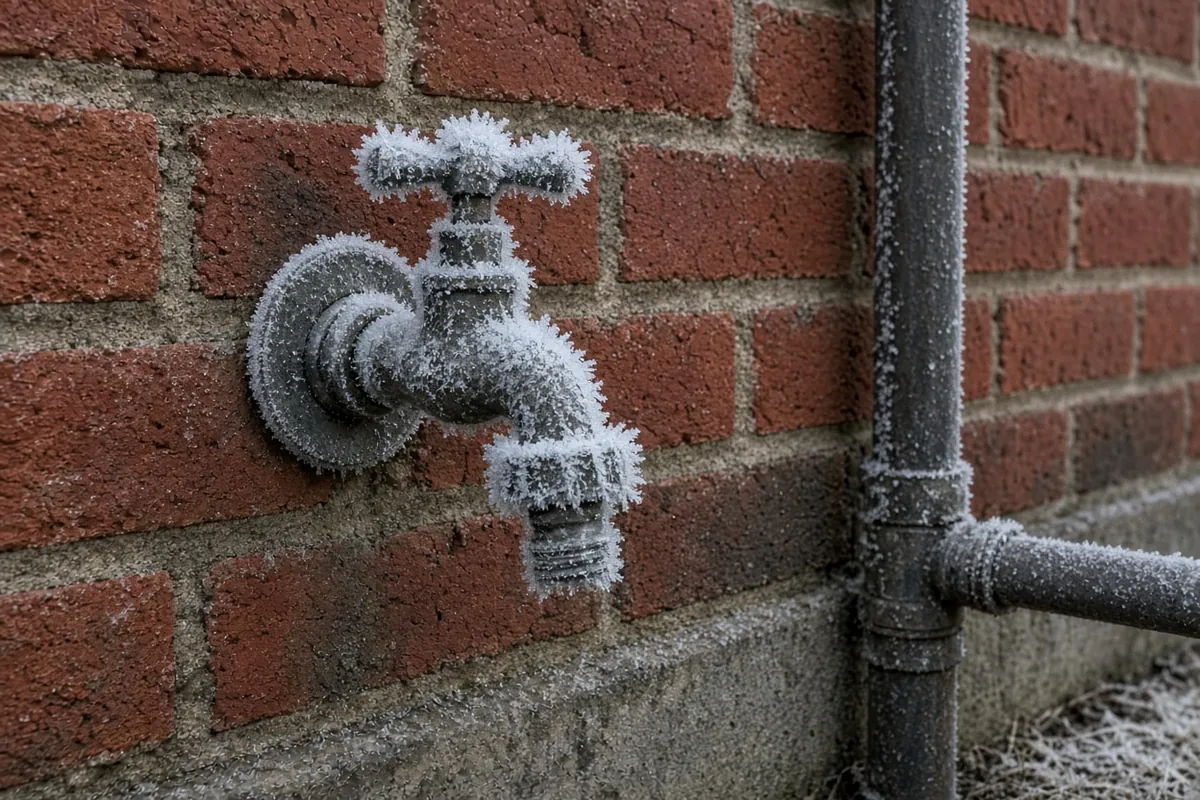
Fort Worth winters are usually mild enough that a hard freeze feels like an interruption rather than a season. Many homes were built with that climate in mind. Supply lines often run through attics, crawl spaces, and exterior walls, where they stay out of the way in ordinary weather and sit close to cold air when a freeze arrives. Residents who have never dealt with a burst pipe can still prepare in a single afternoon, and the same habits that protect a house in a brief cold snap matter even more when temperatures stay below freezing for days.
Why North Texas plumbing is exposed
In colder parts of the country, builders routinely place water lines in interior walls and insulate them as a matter of course. In North Texas, deep freezes are uncommon enough that many older and even newer houses leave pipes where heat from living spaces does not reach them. An attic can drop close to the outdoor temperature overnight. A wall on the north side of a house, or a garage wall with a laundry connection, can do the same. Irrigation lines and hose bibs sit fully outdoors. When still water inside those pipes turns to ice, it expands. The pipe, the fitting, or a weak joint gives way. The leak often stays hidden until the ice thaws and water starts moving again.
Winter Storm Uri, in February 2021, showed how quickly that sequence can spread across the region. Prolonged cold, power loss, and houses that lost heat combined to burst pipes in homes throughout North Texas, including Fort Worth. Owners returned to ceilings, walls, and floors soaked by lines they rarely thought about. The storm was unusual. The building pattern it exposed is ordinary.
Protecting outdoor fixtures before the cold arrives
Outdoor plumbing is the simplest place to start because it is visible and within reach.
Hose bibs
Homeowners should disconnect garden hoses from every outdoor faucet. A hose left attached traps water in the bib and in the short pipe behind the wall, which is a common place for a split. After the hose is off, owners of frost-proof sillcocks still benefit from an insulated cover. A foam bib cover costs little and slows heat loss from the pipe stub inside the wall. If the faucet has an interior shutoff, closing that valve and opening the outdoor handle to drain the line is stronger protection than a cover alone. State Farm publishes ideas on how to help prevent pipes from freezing, including disconnecting hoses and letting a vulnerable faucet drip during a hard freeze.
Irrigation and backflow preventers
Sprinkler systems hold water above ground in valves, vacuum breakers, and backflow preventers. Those brass assemblies crack when water freezes inside them. Residents should shut off the irrigation supply, drain the system according to the manufacturer's instructions, and wrap the backflow preventer with insulation and a waterproof cover. A towel under a plastic bag is a poor substitute for a proper cover, because the wrap needs to shed rain while holding insulation against the metal. Leaving the system charged through a forecast hard freeze is a frequent cause of spring leaks that show up only when the controller runs again.
Attic lines and the rest of the house
Attic supply lines deserve the same attention as outdoor fixtures, even though they are harder to see. Where pipes are exposed, foam pipe insulation helps, especially on runs near roof vents, soffits, and uninsulated gable ends. Insulation slows heat loss. It does not create heat. If the attic air stays below freezing for a long stretch, and no warm air reaches the pipe, insulation alone may not be enough. Owners who can safely do so should look for lines that touch the roof deck or sit in a draft and add insulation there first.
Inside the living space, a few habits reduce the chance that still water freezes in exterior walls.
- During a hard freeze, homeowners can leave a faucet that draws from vulnerable lines dripping slightly. Moving water is slower to freeze than a full, closed pipe. A thin stream is enough. A wide-open tap wastes water without adding much protection.
- Cabinet doors under sinks on exterior walls should stay open so room heat reaches the pipes. Towels or stored items blocking the opening undo that step.
- Interior doors can stay open so heat circulates into bathrooms, laundry rooms, and other spots with plumbing on an outside wall.
- Thermostat setbacks that are sensible on a mild night work against the house when the forecast calls for a deep freeze. Keeping the heat steady matters more than saving a little fuel for a day or two.
- If the power goes out, residents should limit how often exterior doors open and close, and they should know where to shut the water off if heat will be gone for many hours.
Every adult in the household should know the main shutoff. In many Fort Worth houses it is near the water meter, at the street side of the property, or where the service line enters a garage or utility room. A valve that has not been turned in years may be stiff. Finding it on a calm day, and confirming that it actually stops the flow, is more useful than searching for it while water is coming through a ceiling. A meter key for a buried curb stop is worth keeping in a known drawer.
When a pipe has already burst
A burst pipe is a plumbing problem and a building problem at the same time. The first priority is to stop the water. Closing the main shutoff does that for the whole house. If the break is on a single fixture line with its own valve, that valve is enough, and the rest of the house can keep its supply. After the water is off, someone should shut off electricity to any area where water may reach outlets, appliances, or the electrical panel. Standing in wet rooms and flipping breakers is unsafe. If the panel itself is wet, residents should leave it alone and call an electrician.
Next comes the water already in the house. Ceiling drywall can hold a surprising amount and then fail all at once, so people should stay out from under bulging ceilings. Moving furniture, lifting rugs, and blotting standing water with towels limits how far moisture travels into subfloors, baseboards, and wall cavities. Wet drywall, insulation, and carpet padding hold water after the surface looks dry. That hidden moisture is why speed matters. Porous building materials that stay damp become a place for mold, odors, and softened finishes. Homeowners who cannot dry cavities, cabinets, and flooring the same day often need an emergency drying service with air movers and dehumidifiers, plus a plumber to repair the line before the water is turned back on.
Photos of the damage, taken before cleanup removes the evidence, help with insurance conversations. Owners should also avoid running the heat at a very high setting to "bake" the house. Warm, humid air can drive moisture into cool materials and spread the problem. Controlled drying, with moisture leaving the building rather than moving from one room to another, is the sounder path.
A short plan for the next freeze
Fort Worth will see many winters with little more than a light frost. The houses that come through the next hard freeze in good shape are usually the ones whose owners treated a rare event as a known drill. Disconnect hoses, cover bibs, drain and wrap the irrigation backflow preventer, insulate attic lines that cold air can reach, open sink cabinets, set a slow drip on vulnerable faucets, and keep the main shutoff familiar. If a pipe still fails, stopping the water and drying the structure quickly protects far more than the broken fitting. Those steps are ordinary home care, and they are enough for most freezes this city is likely to see.
Water Damage Restoration After Hail in Colorado Springs

Summer afternoons along the Front Range often turn dark in a hurry. Colorado Springs sits where the high plains meet the mountains, and that setting favors fast thunderstorms from late spring through early fall. Residents know the pattern: sun, a towering cloud, then rain that can turn to hail within minutes. After the storm, the next concern is water. Hail clogs drains. Heavy rain overwhelms gutters. On slopes above town, burned hillsides shed runoff faster than they once did.
Storms, hail, and where the water goes
Thunderstorms in this part of Colorado commonly build over the mountains and drift east toward the city. One cell can soak a neighborhood and leave the next block nearly dry. Hail often comes with those cells. When it piles up in a gutter, a downspout, or a window well, rain that should leave the house has nowhere to go. Water spills over the gutter, splashes the foundation, or pools at a low corner of the yard.
Homeowners sometimes notice trouble only after a carpet feels damp or a musty smell rises from the basement. By then, water may have crossed a sill, seeped through a crack, or poured through a well that filled faster than it could drain. The first useful look is outside. A walk around the house shows whether downspouts sent water away from the foundation, whether window wells hold hail, and whether soil has washed toward the wall.
The Waldo Canyon burn scar and flash flood risk
In 2012 the Waldo Canyon Fire burned forest and neighborhoods on the west side of Colorado Springs. It is widely remembered as one of the most destructive wildfires in Colorado history. The fire moved out of the canyon country and into the Mountain Shadows area, and it left a large burn scar on the slopes above the city and above Manitou Springs.
A burn scar changes how a hillside handles rain. Trees, shrubs, and ground cover that once slowed runoff are gone or thin. Intense heat can also make soil slower to absorb water, so rain runs across the surface instead of soaking in. On steep ground, that runoff can pick up ash, rock, and branches and move as a debris flow. A drainage that handled an ordinary storm can rise quickly after a fire.
Summer thunderstorms therefore carry extra weight for Manitou Springs and for parts of the west side below the Waldo Canyon burn scar. A storm that looks routine on the plains can send a sudden pulse of water down a canyon or a neighborhood channel. A warning about heavy rain on the scar is a reason to stay out of low crossings, move cars if local safety officials advise it, and think about basement doors and window wells before the rain arrives. Vegetation returns over time, yet steep burned ground can still shed water faster than a fully forested slope. Owners below that scar treat drainage as a standing chore.
Basements, grading, and gutters
Most leaks start where soil meets the foundation. Window wells are a common entry point. They let light reach a basement window, and they also act as bowls. Hail, leaves, and dirt settle in the bottom. If the drain is blocked, a short cloudburst can fill the well to the window. Once water reaches the frame, it looks for a gap.
Soil should slope away from the foundation so rain moves off the house. Over years, soil settles, mulch builds up, and a slope can flatten or tip back toward the wall. A low spot beside a downspout is enough to feed a leak. Owners can correct a small grade problem with added soil, kept below the siding so it does not trap moisture against wood.
Gutters should be clear before storm season and again after hail knocks leaves and twigs into the trough. Downspouts should end several feet from the foundation, or connect to a drain that is known to be open. A loose elbow hidden in a shrub is a frequent reason a basement takes on water only on the weather side of the house.
Sump pumps
Many homes rely on a sump pump where groundwater or seepage shows up in wet weather. The pump sits in a pit and lifts water out of the basement. It helps only if it runs. Before thunderstorm season, owners pour water into the pit until the float lifts, then confirm that water leaves through the discharge line and does not soak the soil against the foundation. A thunderstorm can cut power just when the pump is needed. If the discharge line is crushed, clogged, or pointed back at the house, the pump moves the same water in a circle.
After water enters a basement
Safety comes before cleanup. Residents stay out of a flooded room if water may be touching outlets, appliances, or the electrical panel. When power can be shut off from a dry location, that step lowers the chance of shock. Furnaces, water heaters, and other gas appliances that sat in water need a qualified technician before a restart.
Standing water should come out as soon as removal is safe. Pumps, wet vacuums, and mops all help, starting with the deepest water. Carpet pad, soaked drywall, and wet insulation hold moisture and often have to come out. Hard surfaces can be washed and then dried. Fans and dehumidifiers should run long enough to dry cavities, not just the surface. A musty smell after the floor looks dry usually means moisture remains in a wall or under a floor covering.
Homeowners who want help pulling water, drying the structure, and checking hidden moisture can start with https://www.coloradospringswaterdamagerestoration.org/ and ask how the team handles basements after a Front Range storm.
Summer weather is part of life on the Front Range. Hail, a fast rain, and runoff from the 2012 burn scar are familiar risks. They stay manageable when drainage is maintained and a wet basement is dried without delay. The Insurance Information Institute's spotlight on flood insurance is a useful reminder that a standard homeowners policy and a flood policy answer different questions after a basement takes on storm water.
San Antonio Sump Pumps and Water Damage Restoration Tips
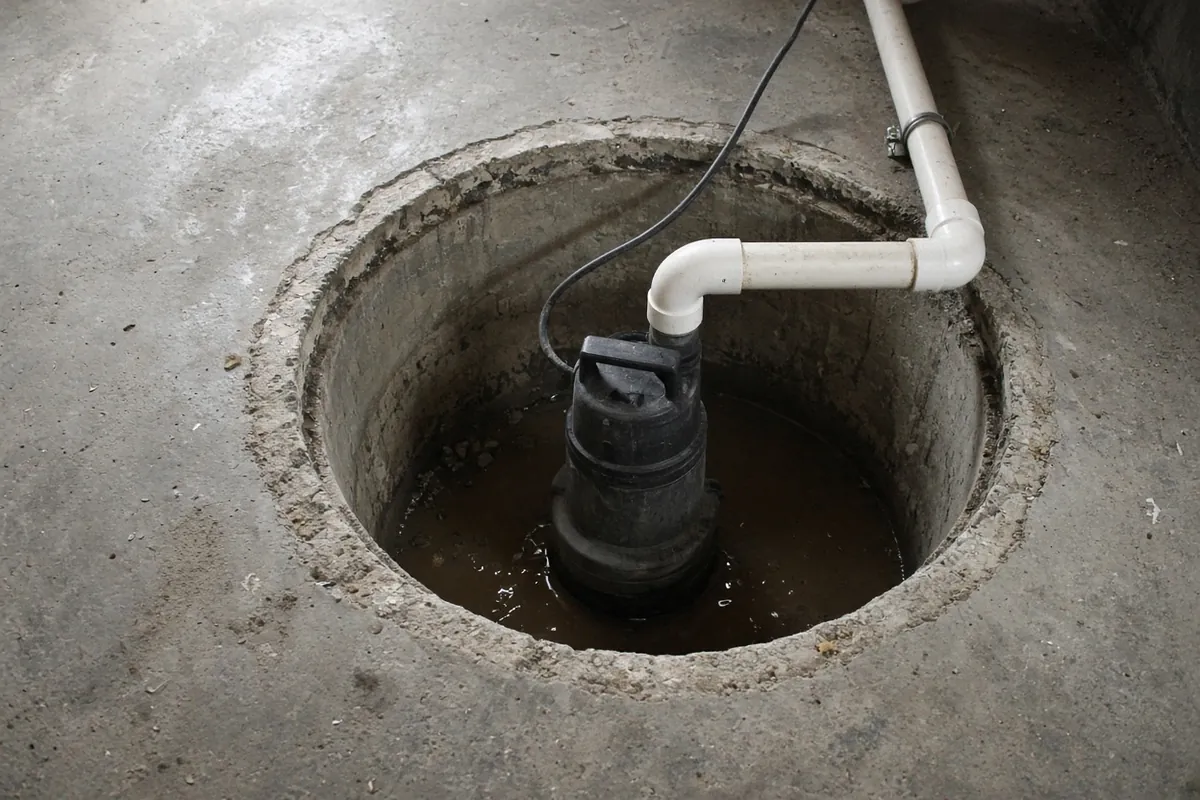
A sump pump is a small machine with a large job: it moves water out of a basement or crawl space before that water can spread across the floor. The system is simple enough that a homeowner can understand it, test it, and spot the failures that show up most often. Knowing those basics matters most during heavy rain, rapid snowmelt, or a power outage, when the pump is the last line between a dry lower level and a flooded one.
The heart of the setup is the sump pit, also called a sump basin. It is a lined hole, usually set into the lowest part of the floor, where groundwater and drain-tile water collect. A pump sits in that pit. When the water rises high enough, the pump turns on, pushes the water through a discharge pipe, and sends it outdoors or to another approved outlet. When the level drops, the pump shuts off. The cycle repeats whenever water returns.
How the pit, the pump, and the float work together
Most residential pumps are either pedestal or submersible. A pedestal pump keeps the motor above the pit and uses a shaft down to the impeller. A submersible pump sits in the water, which helps keep the motor cool and makes the unit quieter. Either style depends on a switch that senses water level.
The common switch is a float. A tethered float hangs in the pit and rises with the water until it tips and closes the circuit. A vertical float slides up a rod. Some newer pumps use a pressure sensor or an electronic switch instead of a moving float. The idea is the same: water reaches a set height, the pump starts, and it stops before the pit runs dry. A float that is tangled, stuck against the basin wall, or fouled with debris may never start the pump, or it may leave the pump running long after the pit is empty.
Homeowners can see the basic parts without special tools. The pit should be covered but accessible. The pump cord should reach a proper outlet without an extension cord lying on a damp floor. The discharge pipe should leave the basin, rise, and head outside. A clear view of the float, with room for it to move, is a good sign. Sludge, gravel, and stray toys in the pit are not.
Testing by pouring water into the pit
The most useful test is also the most direct. An owner pours water into the pit, slowly and steadily, until the float rises and the pump starts. Buckets from a laundry sink or a garden hose held so the stream does not blast the float out of position both work. The pump should turn on, empty the pit, and shut off. A second pour confirms that the cycle repeats.
During the test, residents should listen and look. A healthy pump starts cleanly, moves water, and stops. Grinding, rattling, or a motor that hums without pumping points to a jammed impeller, a bad switch, or a failing motor. If the float rises and nothing happens, the switch, the outlet, or the pump itself needs attention. Testing before storm season, and again after any work on the pit, catches those problems while the floor is still dry.
Pouring water tests the pump and switch. It does not prove that the whole house drainage system is sound. Floor drains, exterior grading, and gutter downspouts still matter. Independent building guides, including an Ecohome guide on basement flood prevention, sump pumps, and alarms, cover those same points along with backup power and pump upkeep.
Check valves and discharge lines
A check valve sits on the discharge pipe, usually just above the pump. It lets water leave and stops it from flowing back into the pit when the pump shuts off. Without it, the column of water in the pipe drops back down, the float rises again, and the pump short-cycles. That extra starting and stopping wears the motor and can overheat the unit. Owners can often hear the difference: a solid check valve closes with a distinct thud, while a failed one lets water rush back and triggers another start almost at once.
The discharge line is the path from that valve to daylight or to an approved drain. It needs a continuous slope or a route that does not trap water, and the outlet should be far enough from the foundation that water does not seep straight back toward the house. Two failures show up again and again.
- Freezing. In cold weather, water left in an exposed outdoor section can freeze. Ice blocks the pipe, the pump runs against a closed line, and the pit fills. Buried lines, insulated exposed sections, and outlets that drain fully reduce that risk. A frozen line is an emergency for the pump, not a problem that more runtime will solve.
- Clogging. Leaves, roots, sediment, and a crushed or disconnected outdoor pipe all stop flow. The pump may run, yet the pit never drops. Checking the outlet during a test, and keeping the end of the pipe visible and clear, reveals a clog before a storm does.
If the pump runs but little or no water leaves the outlet, the line or the check valve is the first place to look. Forcing the pump to keep working against a blockage can ruin it.
Backup power when the primary pump cannot run
Storms that fill a sump pit are the same storms that knock out electricity. A primary pump with no power is a silent pump. Two backup approaches are widely used in homes.
Battery backup pumps
A battery backup is a second pump, or a second controller on a DC pump, fed by a storage battery. When utility power fails, or when the primary pump cannot keep up, the backup starts. The battery is the limit. It only lasts as long as its charge and its condition allow, and a neglected battery may be dead when it is needed. Owners should keep the terminals clean, follow the charger’s status lights, and replace a battery that no longer holds a charge. A backup test, done the way the manufacturer describes, confirms that the second pump actually moves water.
Water-powered backup pumps
A water-powered backup uses household water pressure, not electricity, to create suction that lifts sump water out through its own discharge. It runs only while municipal pressure is available, so it does not depend on the electric grid. It does use a meaningful amount of city water for every minute it operates, and it needs enough pressure at the connection to work. Homes on wells, or homes with very low municipal pressure, may not be good candidates. Like any backup, it needs its own check valve arrangement so the two pumps do not fight each other, and it should be tested on a schedule.
Neither backup replaces a working primary pump. Each one covers a different failure: loss of power, or a primary pump that has quit. Some households install both a battery unit and a water-powered unit because the two fail for different reasons.
Alarms and the decision to replace an aging pump
An alarm is a separate float or sensor set higher than the normal pump-on level. If water reaches it, a loud beep warns residents that the primary system is behind. Battery-powered alarms still work during an outage, which is when a warning is most useful. An alarm that chirps for a low battery is asking for a new cell, not for the owner to pull the battery and forget it. People who travel, or who sleep far from the basement, sometimes add a remote or Wi-Fi alert, but a local horn that can be heard upstairs already solves the basic problem.
Pumps wear out. Sediment, constant runtime, short-cycling, and simply sitting in a damp pit for many seasons all age the motor, the switch, and the impeller. Manufacturers publish expected service life in their literature, and that guidance is a better source than a guess. Signs that replacement is wiser than another repair include a pump that trips its overload and restarts, a switch that works only when someone taps it, rusted housing, or repeated clogging from a damaged impeller. Replacing a weak pump before the wet season is calmer than replacing it while water is rising.
A short seasonal routine covers most of what a household can do. Pour water and confirm a full on-and-off cycle. Watch the check valve and the outdoor outlet. Clear the pit. Look at battery lights or test the water-powered unit. Confirm the alarm sounds. Note the pump’s age and how hard the last season worked it. That habit will not stop every flood, but it removes the quiet failures that turn a normal rain into a wet basement. If a pump does fail and water spreads across the floor, water extraction and drying may be needed to pull moisture from flooring and walls after the pit is working again.